Education After Hours
Friendship, food, pubs — and the education that happened after class.

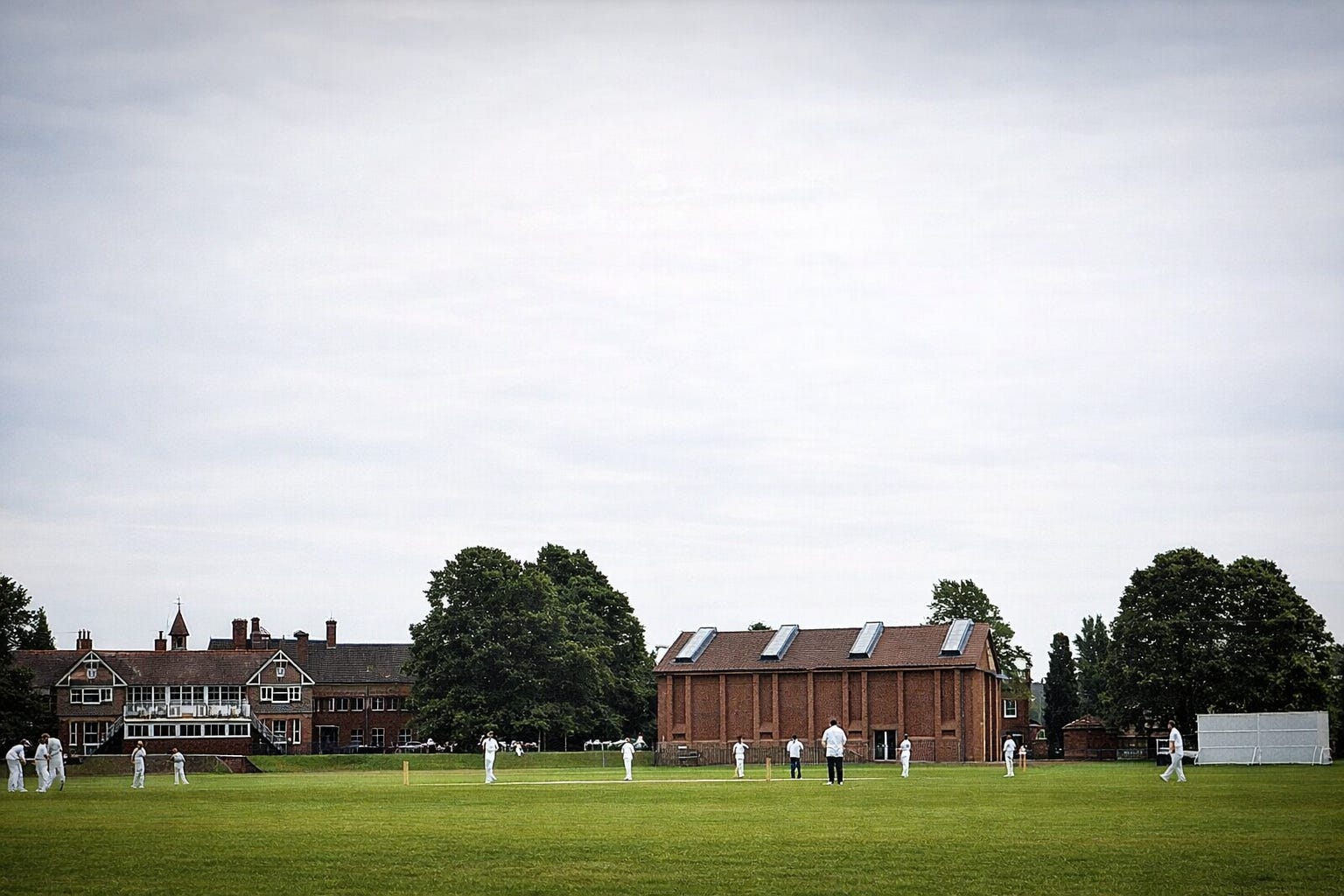
The year I spent teaching in England, I lived in Tudor House with two other teachers — Gordon and David. A third major player that year was Peter, who lived nearby. I briefly introduced them in previous posts; here’s a more complete description.
Gordon taught geography (a subject we Americans never quite figured out how to include in our curricula), rowed, and possessed a calm authoritative presence that made him a natural leader. He lived downstairs in the largest room in the house, where he would offer me coffee, play Avalon and Synchronicity and Motown’s greatest hits on repeat, and gently talk me down from my persistent anxiety about fitting in. He also taught me the finer points of English rain preparedness, patiently explaining that my single skimpy raincoat was no match for a country with multiple distinct categories of water falling from the sky.
David, another English teacher, was intellectually omnivorous in a way I had never encountered before. He could move seamlessly from Dickens to Roth to Doonesbury, from Bach to Sibelius, and then — somehow — to English test cricket, World Cup football, and American baseball, all with equal fluency and enthusiasm. To this day, I don’t think I’ve ever met anyone so effortlessly brilliant, and few as funny.
Peter, also part of the English faculty, was an actor too — but so skilled in teaching he would later become the Director of Drama at another English public school (you might have heard of that one). He was the least theatrical actor imaginable: unpretentious, kind, and unfailingly capable, with broad knowledge of literature and theater and life. The students adored him, no surprise, as some of the best people are secure enough in their talents that they don’t need to advertise or showcase them; that was Peter.
They taught by example, not instruction. Which, as it turned out, was exactly how I would eventually learn to teach as well.
Sustenance
We had meals nearby with the other unmarried faculty who lived on site — they called us bachelors, appropriately. Gordon, David, and Peter were usually there, along with a panoply of other men of various ages and areas of expertise — history, science, languages, sports, music, religion. The conversations were broad, fast-paced, and always entertaining.
Adjacent to the dining room was a small lounge, with 1970s styling (wood paneling, chrome and leather furniture, a well-stocked bar). It was the honor system in that lounge, with most partaking in impressive pre-meal volumes of gin or beer; you’d fill out a “chit”, a small receipt, detailing your drink consumption, with a bill coming at the end of the month. Then it was off to the dining room to eat some of England’s finest and most exotic cuisine.
I’m kidding.
It was mostly standard steam table food, high on salt and fat but low on other seasoning, and completely devoid of spices. Think roasts, potatoes, and overcooked vegetables. One of the great shocks of my life was the later ascendance of roast Brussels sprouts as a popular restaurant offering, as my introduction to this vegetable was the soft green sulfuric stuff in the steam table, the individual sprouts long having given up any idea of distinct form.
The highlight of the meals, undoubtedly, came after the main meal. First, a cheese course — the English make wonderful and richly flavored cheese. You could make a whole meal of fine cheeses, and I often did; Stilton and cheddar in particular, accompanied by biscuits, sweet (“Digestive”) and otherwise, sometimes enhanced with butter and chutneys.
Then came the true sweets: chocolates, heavy cream, rich cakes with sugared fruit, all the perfect antidote to the bland offerings that preceded them. I still sometimes dream of that chocolate ganache cake, the English trifle, and the apple crumble (with clotted cream, of course). Yum.
(Can you tell I’m the son of a food journalist? Hi Mom!)
After dinner, we’d wobble back to our rooms to work — grading papers or preparing lessons — or to catch up on correspondence (actual letters, this was long before email), or to watch football (soccer) or rugby or darts (yes, darts) on the Tudor House television while having an evening coffee before bed. In our current era of streaming services and nearly infinite selection of things to watch, it’s remarkable we made do with just three channels — BBC1, BBC2, and ITV — until, with great fanfare, a fourth channel launched the year I was there, designated with the economical name, “Channel 4”. Wow, what variety.
On rare designated evenings I’d speak with my parents, a call that required careful scheduling as there was only a single phone in the house, and long-distance calls were exorbitant — so they called me.
And yes, this was the phone, and its distinctive look and sound. The ringing will be instantly recognized by anyone who lived or visited Britain in the pre-cell phone era.
Socializing
Throughout this evening routine — and indeed at all gatherings — I had a first-row seat to some of the most scintillating conversations imaginable. The topics: literature, music, history, science, sports, cars, trains, religion. Never had I been with people so effortlessly articulate. It was never boring, always fun. As you could imagine, it forced me to up my game linguistically in a way that no experience at home could do. I wrote this in my journal: “I can’t believe how good they are at putting words together.” That succinctly captured it.
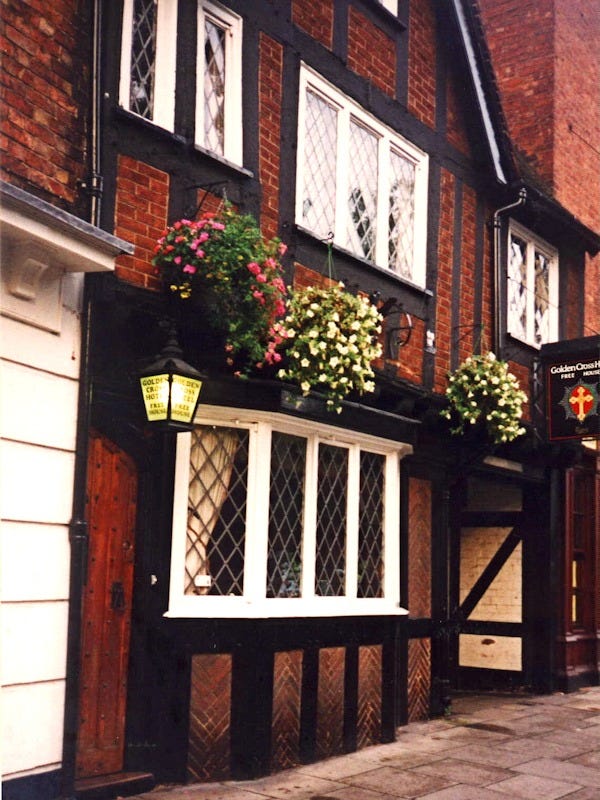
On weekends — or if we were feeling restless, on a weeknight — we’d rush through dinner, rush through the evening work, and walk briskly down to Shrewsbury town to a pub. The Golden Cross was our favorite, well known locally for its high standards for beer; Gordon gave me an early lesson in the important distinction between hand-pulled (or hand-drawn) real British ale, served at room temperature, while David indulged in the cold stuff (lager), which he’d learned to enjoy on trips to Europe (they didn’t consider themselves part of Europe) and the Caribbean.
Another plus for the Golden Cross? Its sometimes willful disregard for the strict closing hours of English pubs, 10:30 or 11:00PM at the time. Far too early for young people out on weekends with energy to spare. The place still stands, as it has since the 15th century. Here’s how it looked when I was there:
David and Gordon would sometimes bring along their girlfriends (and future spouses), Isabel and Emma, which would further enhance the pub evenings, and introduce a welcome note of variety to the company, conversations, and topics.1 (Peter would meet and marry Clare after he left Shrewsbury.) But for some of the bachelor teachers, there were never partners — it was assumed they would remain single. I’ll not say anything more about that, since no one did at the time, a gap in acknowledgment of life choices as antiquated in its way as the sounds from that telephone.
If the dinners and pubs formed the routine time for socializing, the Sunday lunches offered a different kind of experience, one I’d never had in the United States. In these structured, family-centered meals, with wives and sometimes children joining us, I’d be served roasted meats (most commonly beef), crispy Yorkshire pudding, roasted potatoes, and boiled vegetables. A thick brown gravy accompanied the meal. It was all quite delicious — minus the vegetables, which in the popular style were rendered devoid of taste or texture by overcooking. The plates were warmed, the fire would be on, and the conversation lively and fun, lubricated (yet again) by plenty of red wine, always from France.
If you’re noting a consistent theme of alcoholic beverages accompanying this socializing, you’re not mistaken. I’d been a typical US college student, drinking at social events and learning (and witnessing) the difference between those of us with moderate intake versus others with sometimes frightening binge drinking, the latter leading to vomiting, blackouts, and potentially other catastrophes. In England, among my friends, it was all in this “moderate” category — though the definition here of the word was clearly much more generous. It was definitely a drinking culture.
A memorable exchange:
Bachelor #1 (a famously very thirsty member of the history faculty): I prefer drinking wine.
My friend Peter: … in particular during those times you’re not drinking gin, beer, and whisky?
Bachelor #1: Well played, Peter! Well played.
A couple of the more notable Sunday lunches: One of the teachers had spent several years in the United States, and was the English equivalent of the Anglophile — a Yankophile? He loved our country, our culture, our traditions.2
On a Sunday in late November, aware of how important the holiday is to Americans, he invited me to his house for a “real” Thanksgiving dinner. The authenticity was impressive — turkey, mashed potatoes, and cranberry sauce, the last of which he had proudly imported just for the occasion. He even wore a seersucker suit, something he boasted he’d purchased in New Orleans. Never mind that cold, rainy November in England is about the worst possible setting for seersucker — especially in a country that heated its interiors in spartan fashion. As a statement about American atire, it was perfect. His wife and family said they looked forward to this holiday every year, and it wonderfully eased my homesickness.
One more Sunday roast, this time a test of polite behavior: An older faculty member lived right in the town; his house was a beautiful 17th century timber-framed structure, its black-and-white Tudor style front accompanied by ornate, decorative framing. Admiring the architecture, I commented how US-based “Tudor” architecture was built in the 20th century; I knew this because I’d grown up in one such house. “We call that Mock Tudor”, he laughed. “This is the real thing.” Indeed!
After lunch, he and I retired to the living room in front of the fire, while his wife cleaned the dishes. As I was talking to him, doing my best to sound intelligent and interesting, the large meal and red wine began to take effect on his consciousness — and he fell fast asleep. Chin on chest, snoring loudly, he was clearly not stimulated by my conversation. I faced a dilemma.
What would you do?
I chose option “B”, telling his wife that it was time for me to go. She apologized for her husband (who almost certainly had sleep apnea), offered me some leftovers (gladly accepted), and I walked back to the school.
Postscript
I could go on about this year, citing innumerable vivid memories: “supervising” the older boys at one of their social events with a nearby girls school, watching them flirt and dance to Dexys Midnight Runners’ “Come On Eileen” and other 80s hits; playing football (soccer, so fun!) and cricket (challenging!) and fives (a handball game exclusive to English public schools); my travels to Europe during the school vacations, which were wonderfully long; my experience directing and producing a school show (I chose Neil Simon’s The Odd Couple), which garnered both overly generous and constructive notes from Peter; and on and on. But this is already long enough, and with the summer term ending, I had to leave to start medical school.
After I left, I learned just how much of England I’d brought back with me. When I met my future wife in those first days of medical school, she teased me about my accent, which had acquired unmistakably English tones — guilty as charged!
And the pull of the place was strong: just one year after departing Shrewsbury, between the first and second years of medical school, the two of us went to visit the school. Improbably, I’d landed a job writing travel literature for an international bus tour company, and they placed me in Britain.3 Here’s a picture of Gordon, David, and me at the top of a nearby hike:
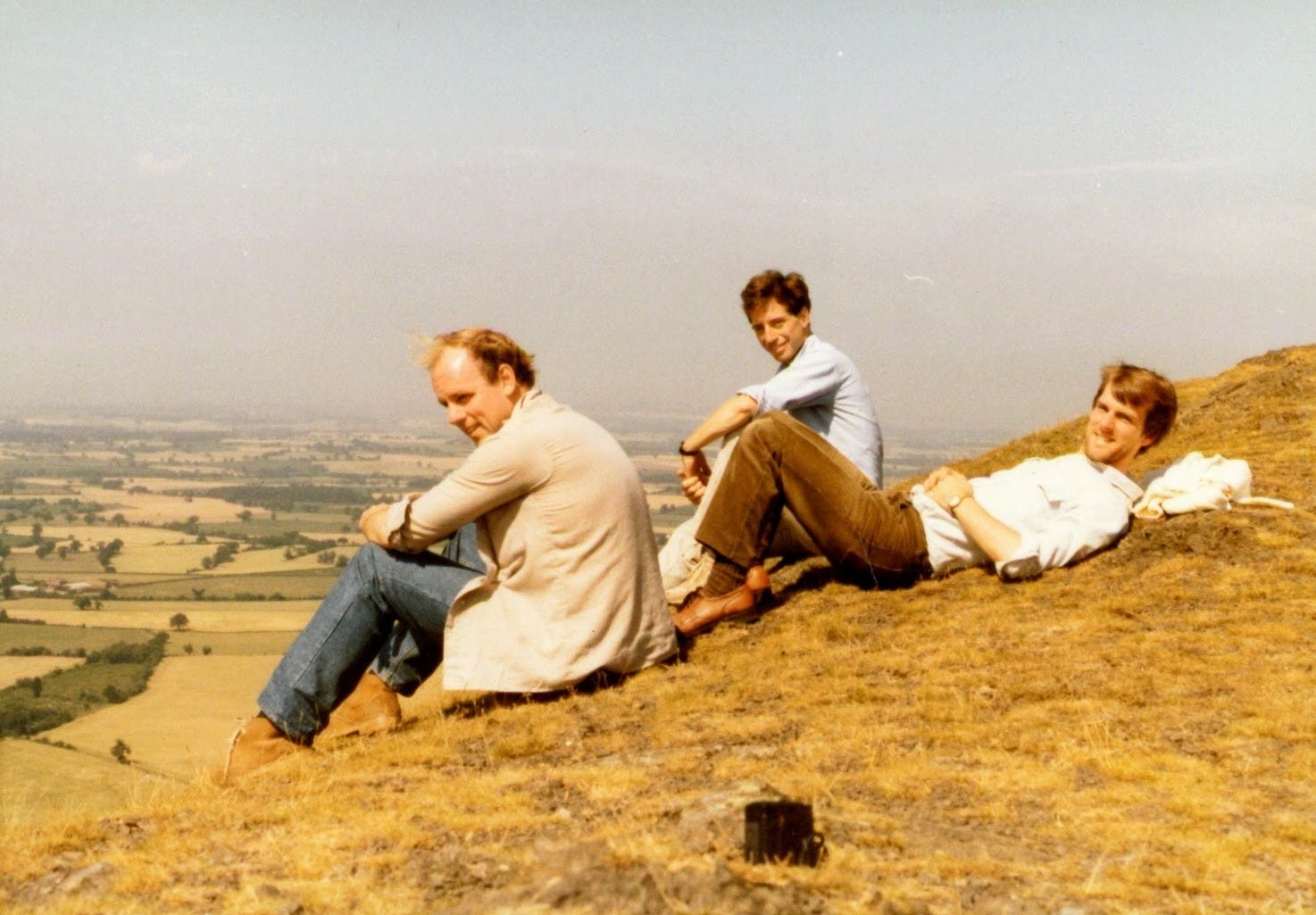
All three of my closest friends went on to have continued success in teaching and leadership. A skilled linguist (among other talents), David went on to be the head of schools in Uruguay, Lisbon, and Leipzig; Peter became the Head of Drama at Eton; and Gordon, the headmaster at the Glenalmond College, in Scotland.
Sadly, the teaching fellowship ended in 2017, apparently a victim of changes in British labor rules after Brexit. I sometimes wonder whether that year could exist in quite the same way now — the trust, the slowness, the long unstructured conversations, a fellowship that allowed a young American to drop into an English school and be absorbed so completely.
Sadder still, I learned this year that Gordon died. Writing this has been, in part, a tribute to him — a way of sitting again in that downstairs room, listening to Avalon and Motown on repeat, knowing his door was always open for advice and coffee. I was lucky to have that year, and luckier still to have had him in it.
Fortunately, I remain in touch with David and Peter — and with Isabel, Emma, and Clare — exchanging emails about shared memories and what’s happening in our lives now. The year may have been temporary. The experience was not.
This is Part 3 of a three-part series. Part 1 is here, and Part 2 is here.
I’d write “gender diversity”, but that phrase didn’t exist yet.
Imagine that. Sigh.
My streak of not doing research either before or during medical school continued uninterrupted!
I would argue that you were in fact doing invaluable research, whether or not it appeared in a peer-reviewed medical journal. Lovely piece.
This one was my favorite of the series. I loved reading about Gordon, David and Peter. I could read a book about them, the way you describe them. The affection and respect translates, and I want to learn more about them.